


Is Longing the New Belonging?

A new year has arrived but it doesn’t really feel like a new era. The first weeks of 2026 were suspiciously familiar. If you couldn’t figure out what we are talking about, scroll long enough and you’ll see it.
2016 is officially back; not as a complete revival but as a mood influencing everything. People are reposting it, dressing like it, soundtracking their lives with it. It’s less remember when? and more can we stay here for a second?
It’s not that we ran out of ideas. It’s about timing.
A Decade Away Feels, Safe.
2016 sits at a rare sweet spot: the perfect psychological safe distance. Far enough to feel nostalgic, close enough to feel emotionally legible. The details are still clear, but the intensity has faded.
Was 2016 perfect? Not really; but it is distant enough that memory edits the decade into something softer, more coherent, more liveable.
Yes, today feels like a Pollock painting, it is well… chaotic. Fashion and culture have been running at 1.5x speed: micro-trends, constant drops, aesthetics that appear; peak; and vanish before anyone can actually live inside them.
Following trends used to be aspirational, now it often leads us into identity fatigue. It is like being on vacation; nice, polished, a fantasy. You become a slightly more “edited” version of yourself. And for a while, it’s genuinely fun, but the best part of a trip is often the moment you come back home. Home is where you feel emotionally connected, belong to and feel safe.

Image: Jackson Pollock, Autumn Rhythm: Number 30 (1950)
The Aesthetic That Still Holds
The 2016 hashtag crossing 37 million posts on Instagram and 2 million on TikTok shows the visual culture is worth referencing.
Back then, if fashion had a backstage pass to the internet, it was Tumblr. It wasn’t just a platform people scrolled through, it was where an entire generation learned how to see fashion: the right grain, the right flash, a certain cool detachment.
Tumblr shaped what felt cool before brands even had the language for it, turning teenage reblogs into taste-making, and aesthetics into something that spread freely and slightly out of control. And even now, you can see its fingerprints everywhere: on Depop archive hunts, on TikTok’s obsession with “that era,” and in luxury visuals trying to look a little less optimised and a little more real.
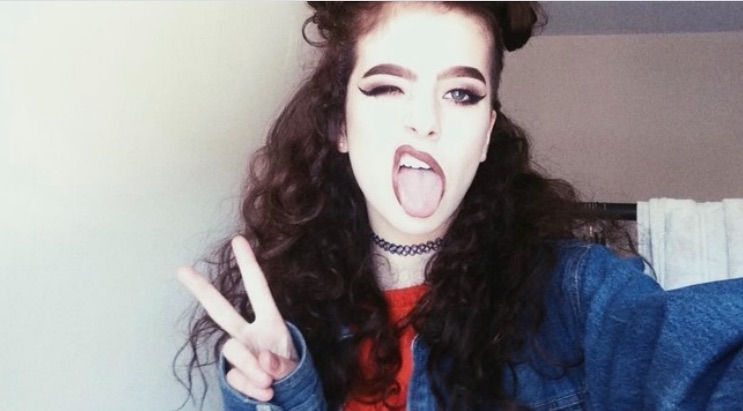
Image: @philosofay, Instagram post (accessed Jan 21, 2026)
Tumblr set the stage for what came next. Post-2016, the Balenciaga shift, led by Demna, didn’t just change silhouettes, it challenged luxury’s definition of beauty itself.
The rehearsed codes of refinement were cracked open and replaced with a language that blended street logic with haute couture authority. It wasn’t trying to be traditionally “beautiful” as much as it was trying to be understood. And crucially, this shift had time to linger–long enough for people to embrace it.
“I feel like my challenge and responsibility as a designer today is to question what beauty is. Why do we follow the rules from 50 years ago? I didn’t grow up in Versailles. I am a refugee. I needed to look for beauty in everything.”
-Demna Gvasalia, TrillMag, quoting Interview Magazine (accessed Jan 21, 2026)

Image: Balenciaga Paparazzi Campaign
Archive Isn’t Nostalgia, It’s Evidence
Vintage’s popularity today extends beyond aesthetics. Archive fashion offers recognition, proof of meaning through pieces that carry cultural residue.
This is why it’s rising, not because it’s sustainable, because it lets consumers belong without constantly readjusting.
One Year, Three Nostalgias
Still, longing doesn’t operate the same way for everyone. For Gen Z, 2016 is an undiscovered playground, new pins for their moodboards. For late millennials, the pull is more personal. It’s when their identity formed.
Beyond generational labels, luxury micro-tribes navigate nostalgia through different codes: some chase archive fashion as cultural capital, others use it as stability.
Even belonging codes differ across categories. Streetwear belonging is often built through immediacy while luxury belonging historically relied on timelessness. Yet, all the groups can relate to the same problem and solution.
Luxury Can’t Live in Replay
So what should luxury brands do with all this longing? The lazy answer is replay: archive drops, revival silhouettes, familiar cues. The smarter move is translation, understand what 2016 symbolizes.
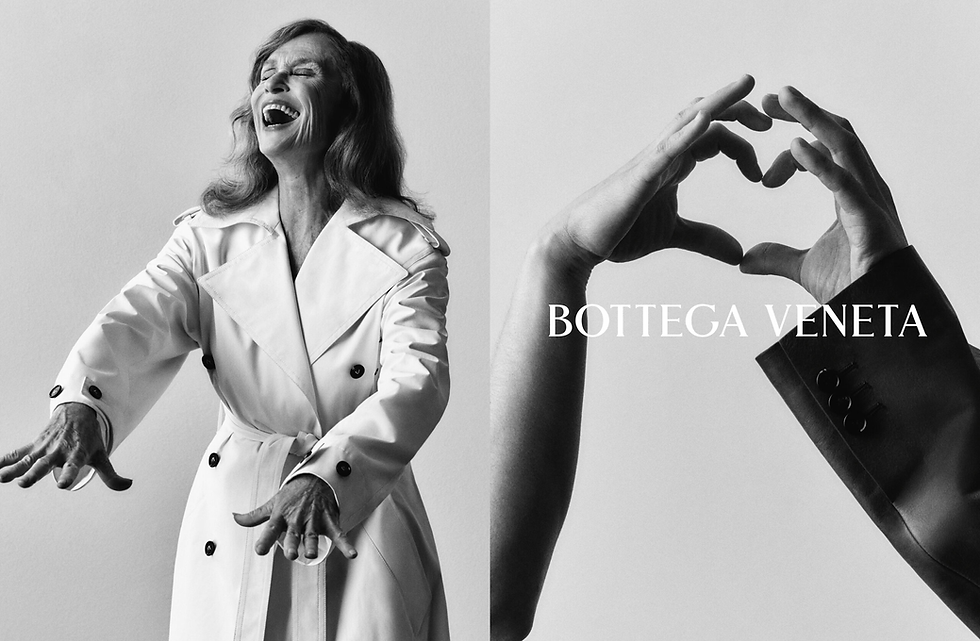
In an era where newness struggles to create attachment, the brands that endure will be those capable of making the present feel worth belonging to again.


Comments