


How Cultural Capital Became Luxury’s New Currency
- cerenoguz

- 3 days ago
- 4 min read
There was a time when luxury had a fairly simple address. It lived in a glass case, smelled like leather and sat behind a velvet rope. You knew it when you saw it, because everyone else could see it too, and that was rather the point.
Somewhere along the way, the address changed. Not to a bigger house, but to somewhere far less visible: inside people’s heads. Walk into any dinner party now and the person quietly running the room often isn’t wearing the most expensive thing at the table. They’re the one who mentions an exhibition nobody else has heard of, talks about a director through their early short films instead of their Oscar speech, or somehow already knows the word everyone else will be using in six months. That’s not charisma. That’s capital. It just doesn’t show up on a bank statement.

We used to call this being “well read” or “in the know,” and treat it like a nice personality trait. It has quietly become something closer to status armor. Money has become strangely democratic. Credit is everywhere. Anyone with a high enough limit can buy the bag, book the table, wear the brand. Cultural capital can’t be financed. You can’t put “having actually finished the book” on a payment plan.
You can watch this exact shift happen inside fashion itself. For a long time, the logo did the talking — if a stranger couldn’t clock the brand from ten feet away, what was the point of the price tag? Then the market’s most confident houses started removing it. Loro Piana built an empire on cashmere that most people couldn’t identify in a lineup. The Row pushed the idea even further, treating anonymity almost as a design principle. Loewe blurred the line between fashion and culture altogether, borrowing its authority from artists, museums, and craft traditions instead of logos. Bottega Veneta had understood decades earlier that recognition travels further than visibility. None of these houses are trying to be recognized
by everyone. They’re built to be recognized by the right few.

None of this is actually new. Pierre Bourdieu gave it a name nearly fifty years ago: cultural capital — the taste, references, and manners that work as their own currency inside a class.
His point wasn’t that it made people richer. It was that it quietly decided who belonged in the room, in a way no amount of money could shortcut. Mostly you absorb it growing up — through school, family, the rooms you happened to spend time in — or you spend years catching up. Fashion didn’t invent this. It just found a very expensive, very quiet way to monetize it.
So what does this new currency actually look like in practice? A few patterns keep showing up.

Knowing the footnote, not just the headline. Loving an artist’s most famous painting is a Tuesday. Knowing their lesser known phase, the one before they got good, the influence nobody credits them for, that’s the flex. It signals time spent, not money spent. Speaking the language of a scene before it gets translated for everyone else. Every subculture eventually gets a mainstream dictionary entry. The capital is in having understood the reference before the explainer article existed.
Taste that doesn’t need a caption. There’s a specific confidence in choosing something nobody is currently celebrating, simply because you’ve decided it’s good. No algorithm validated it for you. No one liked the post first.
Ironically, social media didn’t kill this kind of status signaling. It just made the cheap version worthless. When everyone can buy the same bag, wear the same sneaker, and post it within the same ten minutes, owning the thing stops being proof of anything. Context becomes scarce. Knowing why something matters becomes the actual flex. The object stays the same. The meaning changes.
What I find genuinely funny about all this is that cultural capital is, in its own way, just as exclusionary as old money ever was. It still gathers around access: to good education, free time, the right cities, the right circles. The difference is it pretends not to be a hierarchy, which somehow makes it more seductive. A diamond announces itself. A perfectly placed reference at dinner makes you feel like you stumbled into something, rather than paid for it.
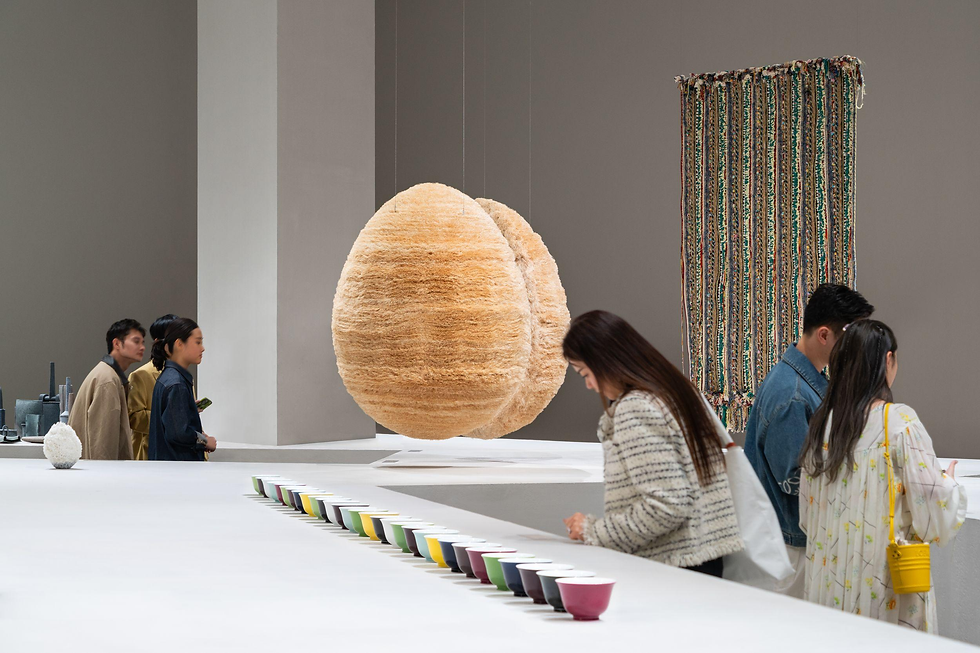
Maybe that’s the real shift. Old luxury wanted to be noticed. This new one wants to be recognized, by the right person, for the right reason, and ideally not explained any further. It’s quieter, it’s slower to build, and unlike a logo, nobody can hand you a counterfeit version of having actually read the book.
For luxury brands, this creates a strange new mandate: sell exclusivity without announcing it. The smartest houses now compete less on who can produce the rarest object, and more on who can build the richest cultural universe around it — an unexpected collaboration, a buried literary reference, a flagship store built to feel like a cultural space rather than a shop floor.
There’s one more step past recognition, and it’s where the smartest brands are already competing: being understood, not just noticed. Money can buy the invitation. Cultural capital decides who feels at home once they arrive.


Comments